What Is a Chronograph Watch? The Ultimate Guide for 2026
If you’re searching for how to use a chronograph watch, comparing chronograph vs. chronometer, weighing automatic vs. quartz chronograph options, want to know how to use a tachymeter, or are looking for the best chronograph watches under £500, you’re asking the right questions at the right time. Chronographs combine traditional timekeeping with stopwatch functionality, creating both practical and aesthetic appeal that continues to draw interest in 2026 — whether for everyday use, motorsport heritage or stylish versatility.
What Is a Chronograph Watch?
A chronograph watch is essentially a timepiece with additional stopwatch capability built into its movement. In other words, it tells the time like any other watch but also measures elapsed time independently. The word “chronograph” literally means time recorder — a reflection of its stopwatch origins. Hamilton Watch
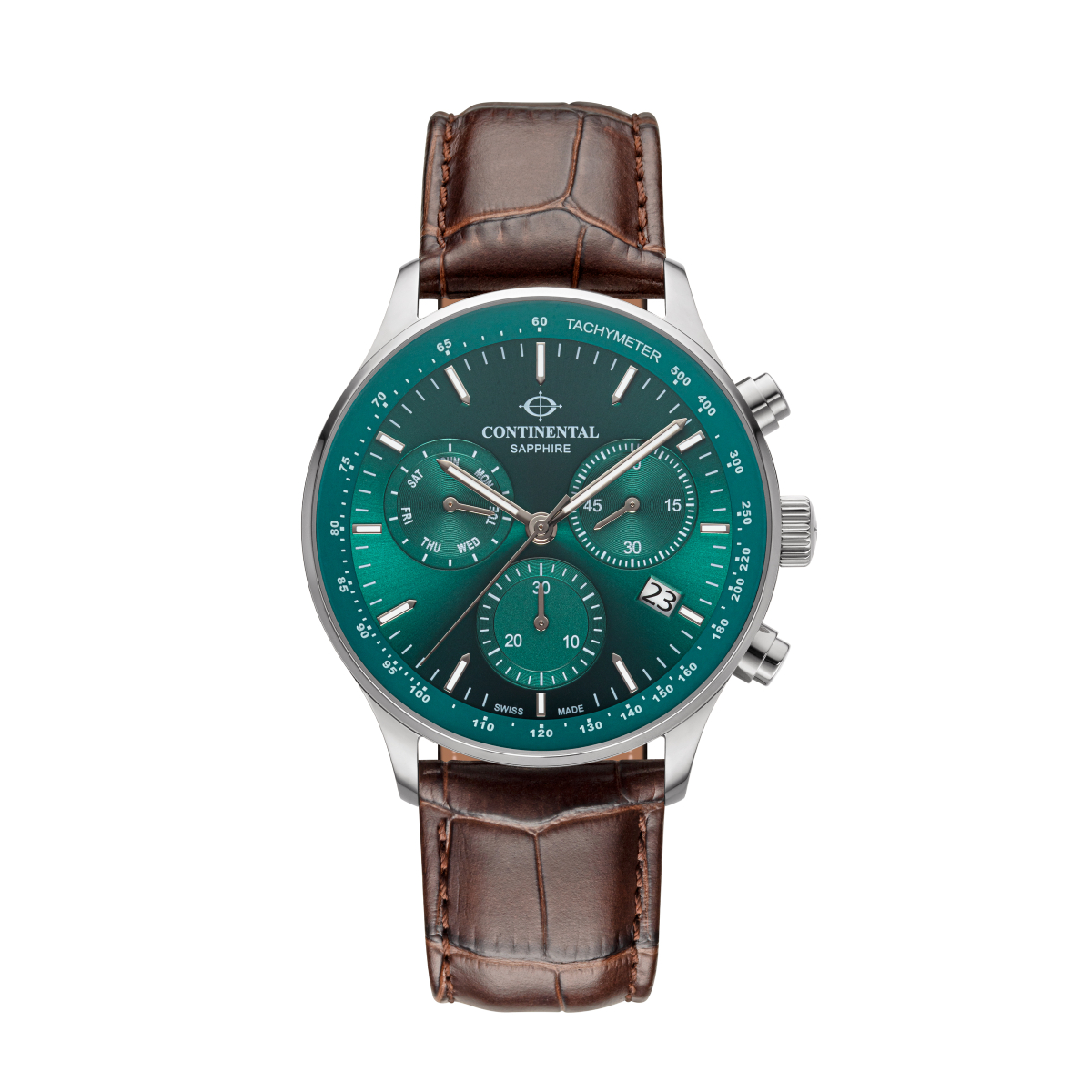
Most chronographs have:
- Pushers on the side of the case that start, stop and reset the timing mechanism
- One or more subdials that display elapsed seconds, minutes and sometimes hours
- A central seconds hand dedicated to the timing function rather than the watch’s regular second count
This dual‑function design allows the chronograph to measure specific intervals without interrupting the watch’s main timekeeping.
Chronograph vs. Chronometer: What’s the Difference?
Despite sounding similar, chronograph vs. chronometer refers to two very different things — and this distinction matters when buying a watch.
- Chronograph describes a function: the ability to measure elapsed time independently of regular timekeeping.
- Chronometer refers to a certification of accuracy. To be labelled a chronometer, a watch must pass strict precision tests set by institutions like the Swiss authorities. COSC
As a result, it is entirely possible to have a chronograph watch that is not a chronometer, and vice versa. Some high‑end watches combine both features, but recognizing the distinction between chronograph vs. chronometer helps you set realistic expectations based on how you intend to use your timepiece.
How to Use a Chronograph Watch (Step‑by‑Step)
Understanding how to use a chronograph watch is simpler than most people think — and the best way to get value out of this complication.
Here’s how to do it:
- Start Timing: Press the top pusher once to engage the chronograph seconds hand.
- Stop Timing: Press the same pusher again to pause the timing.
- Read Elapsed Time: The central hand usually shows seconds, while subdials show minutes and hours.
- Reset: Once stopped, press the bottom pusher to return all timing hands to zero.
Because the chronograph function is independent, your watch continues to display the correct time even while you’re timing an event. Importantly, never reset the chronograph while it is running unless the watch has a flyback function, which allows reset‑while‑running safely — a feature found in higher‑end chronographs.
This intuitive interaction makes chronographs useful in everyday situations — from timing a jog to tracking intervals during a presentation. Seiko
How to Use a Tachymeter (and Why It Matters)
Many chronograph watches also include a tachymeter scale — typically around the bezel or outer edge of the dial. This scale helps convert elapsed time into a speed reading based on a known distance.
Using a tachymeter involves:
- Starting the chronograph at a known fixed point (e.g., mile marker)
- Stopping it at the next marker
- Reading the speed (in miles per hour or kilometres per hour) directly from the scale
Although tachymeters originated in racing and aviation, they also provide historical context and design interest today. While not everyone uses this feature regularly, it remains one of the iconic hallmarks of chronograph design. Seiko
Automatic vs. Quartz Chronograph: What Buyers Should Know
When comparing automatic vs. quartz chronograph movements, it’s worth understanding their core differences because they influence performance, feel and long‑term ownership experience. Exquisite-Luxury
Quartz Chronographs
- Powered by a battery
- Extremely accurate (±15‑20 seconds per month)
- Less servicing required
- Typically more affordable
Quartz chronographs are ideal if you prioritise precision and low maintenance. They tend to keep time better than mechanical alternatives and are common in under‑£500 watches. Exquisite-Luxury
Automatic Chronographs
- Powered by the wearer’s wrist motion (self‑winding)
- Mechanically complex and often thicker
- Stronger collector and heritage appeal
- Require regular servicing
Automatic chronographs appeal to enthusiasts who appreciate mechanical craftsmanship and the kinetic charm of a self‑winding movement. These tend to be pricier and require periodic maintenance compared to quartz models.
In practice, choosing between the two often comes down to whether you value craftsmanship and tradition or practical accuracy and convenience. Exquisite-Luxury
Chronograph Design and Everyday Utility
Chronographs are functional tools, but their design elements make them stand out. The subdials, pushers and tachymeter scales create visual depth and balance, which is why many people choose them even if they rarely use the stopwatch function in daily life.
For instance, a chronograph’s layered dial adds complexity that often complements both casual and formal styles. As a result, these watches can work from the office to weekend wear — and often become conversation pieces thanks to their unique proportions and historic roots.
How to Choose the Best Chronograph Watch for You
Before we look at specific models, here are some practical pointers:
Case Size and Comfort
Modern trends vary, but a comfortable fit matters more than any number on paper. Typical chronograph sizes range from 40mm to 44mm, with some buyers preferring smaller or larger sizes based on wrist proportions. Lug‑to‑lug distance also affects how the watch sits on the wrist. Nobbier
Movement and Maintenance
Consider whether you prefer the low‑maintenance accuracy of quartz or the heritage appeal of automatic. Quartz is ideal for everyday reliability, while automatic moves appeal to collectors and traditionalists.
Style and Legibility
Chronograph dials can become busy. Look for clear subdial readouts, contrasting hands and markers, and quality lume if you want better visibility in low light. Oracle Time
Compare Before You Buy: Best Chronograph Watches Under £500
Many buyers searching for the best chronograph watches under £500 want quality, style and real stopwatch utility without overspending. Below is a helpful comparison to guide your purchase decisions for 2026. Exquisite-Luxury
Chronograph Watches Comparison – Buyer’s Guide
| Model | Brand | Movement | Size | Style Profile | Best For | Price Segment |
|---|---|---|---|---|---|---|
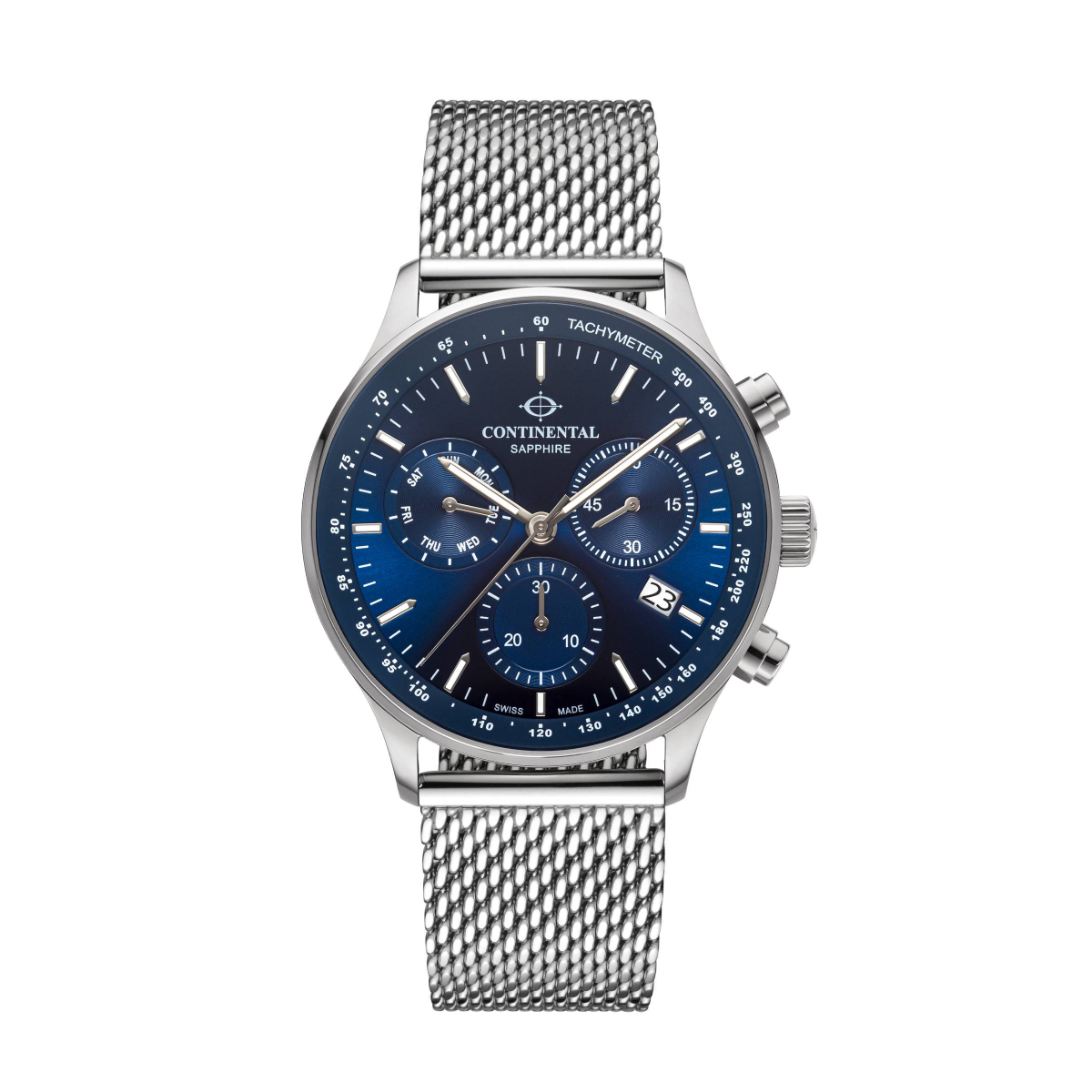
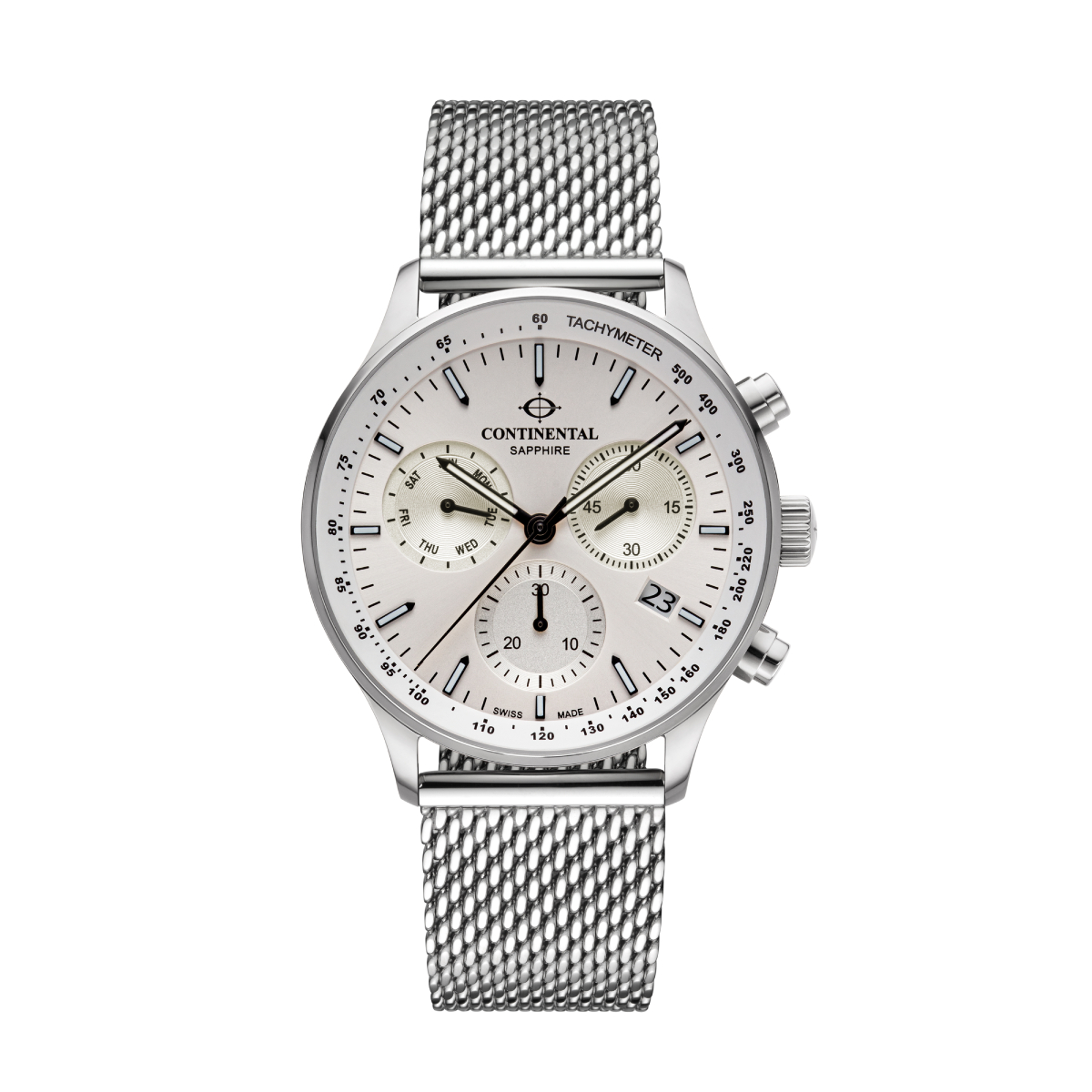
| Continental 22001.GC156950 | Continental | Quartz Chronograph | 43mm | Classic / Dress‑Sport | First luxury chronograph | Under £500 |
| Continental 22001.GC101830 | Continental | Quartz Chronograph | 43mm | Everyday Elegant | Office to weekend | Under £500 |
| Continental 22001.GC101130 | Continental | Quartz Chronograph | 43mm | Everyday Elegant | Smart‑casual styling | Under £500 |
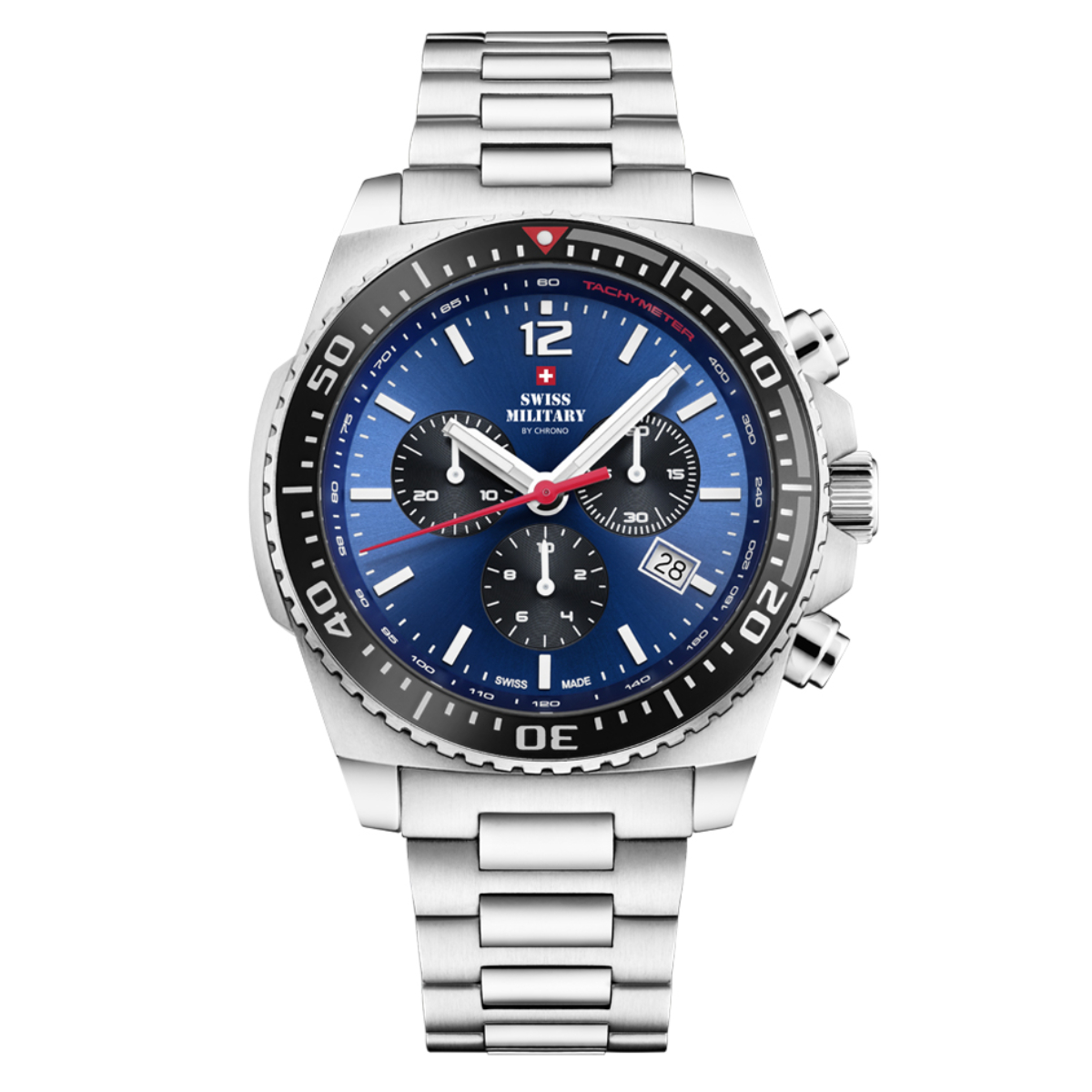
| Swiss Military SM34093.02 | Swiss Military | Quartz Chronograph | 45mm | Sport / Casual | Daily active wear | Under £500 |
| Swiss Military SM34033.06 | Swiss Military | Quartz Chronograph | 42mm | Tactical / Sport | Rugged daily use | Under £500 |
| Swiss Military SM34033.07 | Swiss Military | Quartz Chronograph | 42mm | Casual / Military | Weekend lifestyles | Under £500 |
This table makes it easier to compare key characteristics side by side, helping you choose models that are some of the best chronograph watches under £500 in our shop & best align with your lifestyle and preferences.
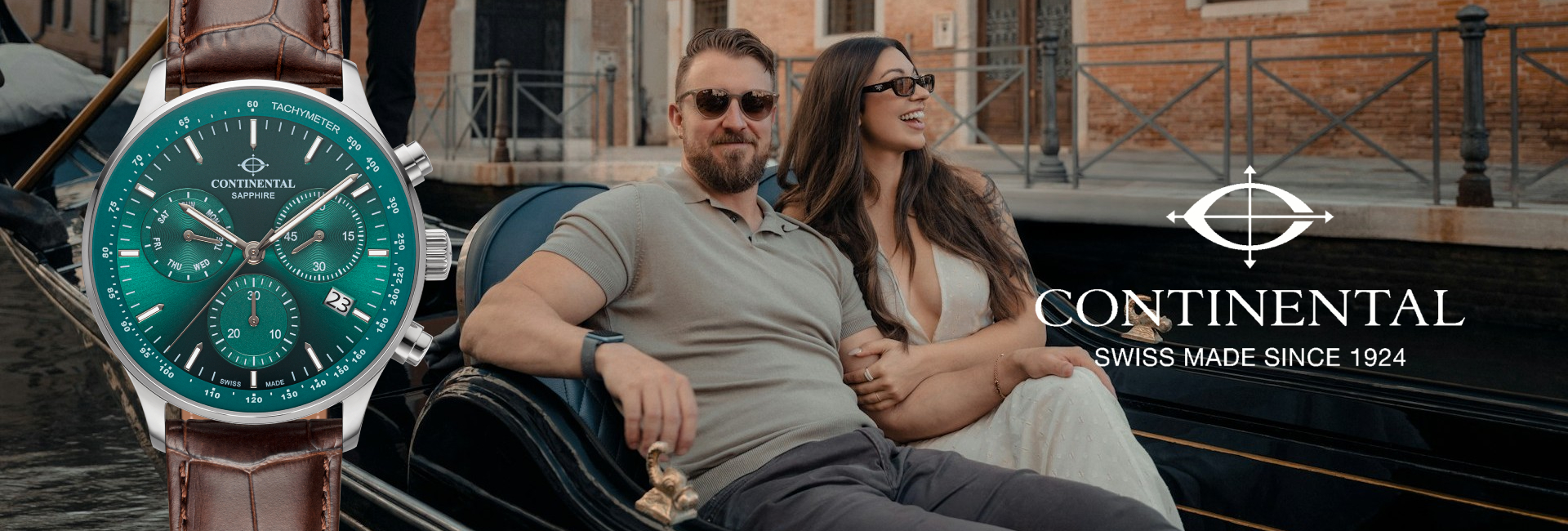
Continental Chronograph Watches.
 |
 |
 |
Swiss Military Chronograph Watches
 |
 |
 |
Maintenance Tips for Chronograph Watches
To ensure your chronograph remains accurate and reliable:
- Replace the battery in quartz models every 2‑3 years
- Service automatic movements every 4‑6 years
- Avoid pressing pushers underwater unless the watch is designed for it
- Keep your watch away from strong magnets and extreme shocks
Regular upkeep helps maintain both function and resale value over time.
Why Chronographs Remain Popular in 2026
Chronographs continue to thrive because they balance function, history and aesthetics. They offer undeniable utility and create a physical experience that digital timers simply don’t match. Collectors and newcomers alike appreciate the tactile interaction and visual complexity that chronographs bring to wristwear.
From motorsport heritage to everyday practicality and artistic dial design, this complication has something for everyone — whether you’re timing laps or simply enjoying the mechanical story on your wrist. FashionBeans
Checklist: Before You Buy Your Chronograph
- ✅ Measure wrist size and check case diameter compatibility
- ✅ Decide between quartz and automatic movement
- ✅ Verify water resistance rating for activities
- ✅ Check strap type and potential for future swaps
- ✅ Check Dial & Subdial colours match, fit dress code, outfit & style
- ✅ Research brand history, reputation and service network
- ✅ Check Warranty
Final Thoughts
In 2026, knowing how to use a chronograph watch, the difference between chronograph vs. chronometer, and the pros and cons of automatic vs. quartz chronograph movements positions you to shop smarter. Understanding how to use a tachymeter and what to look for in the best chronograph watches under £500 puts confidence behind your wristwatch investment.