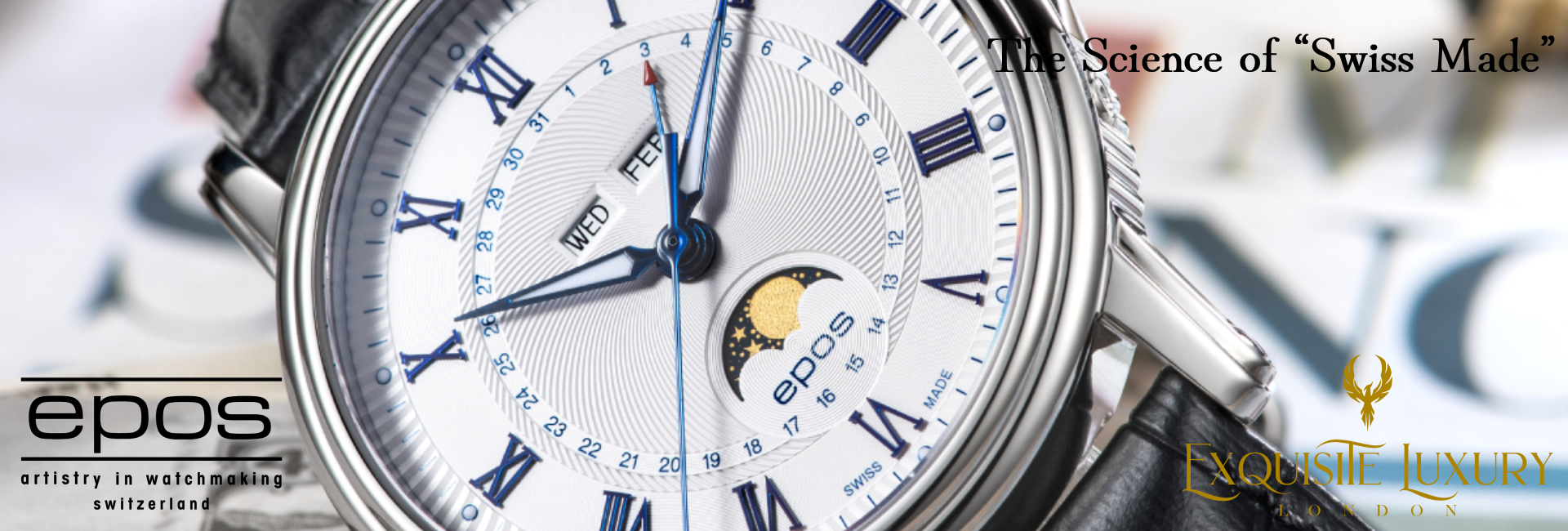
The Science of “Swiss Made” – What You’re Actually Paying For!
The phrase “Swiss Made” carries enormous weight in the world of luxury watches. It signals precision, heritage, and an almost scientific commitment to excellence. For many buyers, it justifies a higher price point without much further questioning. Yet very few consumers fully understand what stands behind those two words on a watch dial.
This article takes a deep dive into the science, regulation, craftsmanship, and economics behind Swiss Made watches. We will explore the strict legal framework, the importance of the Swiss movement, the role of final control, and why Swiss watchmaking continues to dominate the global high-end market.
By the end, you’ll understand exactly what you’re paying for—and why Swiss Made remains one of the most protected designations in the world.
 |
The Historical Foundation of Swiss Watchmaking
To understand Swiss Made watches, you must first understand history.
Swiss watchmaking dates back to the 16th century, when skilled craftsmen fleeing religious persecution settled in Geneva. These artisans brought advanced metalworking and Jewellery techniques, laying the groundwork for what would become a global industry.
Over time, Switzerland developed:
- Specialized regions for movement production
- A network of independent component suppliers
- A culture of precision engineering
This ecosystem evolved into today’s Swiss watch industry, where even small villages may specialize in one component of a watch movement.
Why “Swiss Made” Became a Legal Designation
As Swiss watches gained global prestige, imitation followed. By the 20th century, manufacturers outside Switzerland were using misleading labels to capitalize on Swiss reputation.
In response, Switzerland introduced strict legal protections to define and defend Swiss Made watches. These laws ensure that the designation reflects genuine value rather than marketing language.
Swiss Made is now one of the most legally enforced origin labels in the world.
The Legal Requirements of Swiss Made Watches
Swiss law defines Swiss Made with remarkable precision. A watch must meet all of the following criteria.
1. The Watch Movement Must Be Swiss
The Swiss movement is the heart of the watch. To qualify as Swiss, the movement must:
- Be assembled in Switzerland
- Be inspected in Switzerland
- Contain at least 60% Swiss manufacturing value
This requirement applies to both quartz and mechanical watches, though mechanical movements dominate the luxury segment.
Why the Movement Matters So Much
The movement determines:
- Accuracy
- Reliability
- Longevity
- Serviceability
Swiss movements are designed to be maintained and repaired for decades, sometimes generations. This long-term engineering mindset is a defining trait of Swiss watchmaking.
2. Casing the Watch in Switzerland
After assembly, the movement must be placed into its case in Switzerland.
This step is far more complex than it sounds. Proper casing affects:
- Water resistance
- Shock absorption
- Dust protection
Errors at this stage can compromise the entire watch. Swiss Made laws ensure this critical process is handled by trained Swiss professionals.
3. Final Control and Inspection in Switzerland
Every Swiss Made watch must undergo final inspection in Switzerland.
This stage is the last line of defense before a watch reaches the customer. It includes:
- Accuracy regulation
- Functional testing
- Visual inspection
- Verification of complications
This is where watch quality control becomes a defining factor of Swiss excellence.
4. 60% of Total Manufacturing Costs Must Be Swiss
Since 2017, Swiss law requires that at least 60% of the total production cost of a watch originate in Switzerland.
This rule prevents brands from outsourcing most production while still benefiting from the Swiss Made label. It also reinforces local employment and technical expertise within the Swiss watch industry.
Inside a Swiss Movement: Engineering at the Microscopic Level
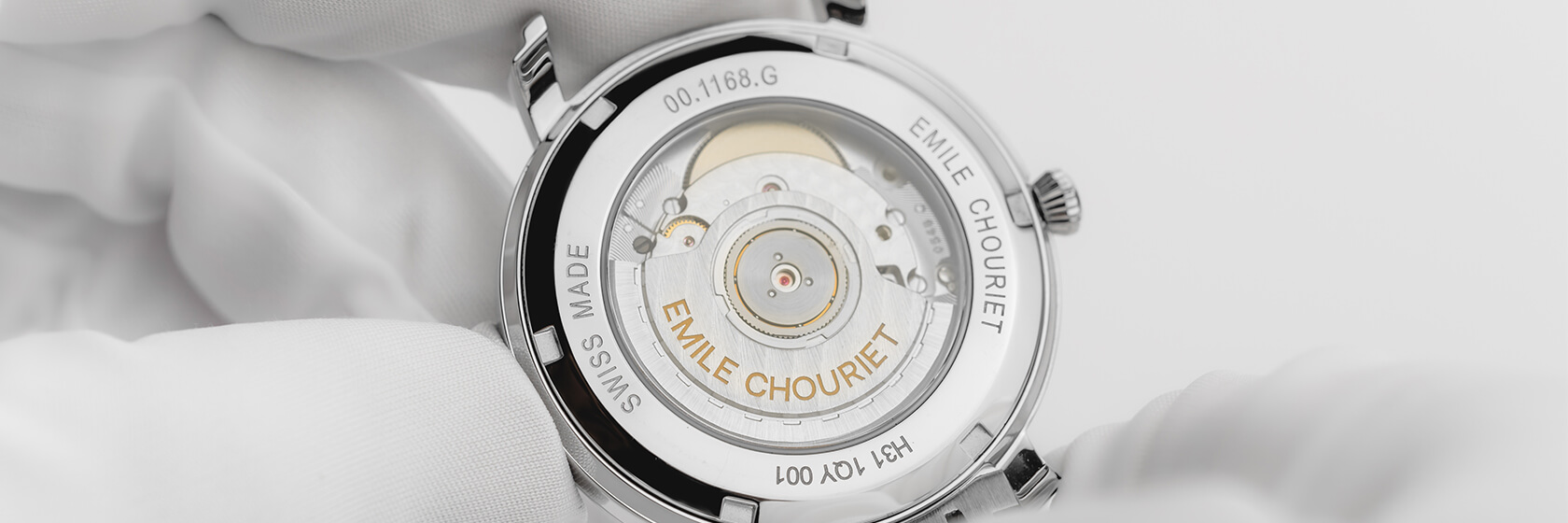
The watch movement is a miniature mechanical system. In a Swiss mechanical movement, hundreds of components work together in perfect harmony.
Mechanical Watches: Why They Still Matter
Despite modern electronics, mechanical watches remain the gold standard in high-end watchmaking.
They offer:
- Independence from batteries
- Long service life
- Emotional and technical appeal
Swiss mechanical movements are engineered to function with minimal friction, extreme precision, and long-term reliability.
Precision Manufacturing and Tolerances
Swiss movement components are manufactured to microscopic tolerances, often measured in microns. Gears, pinions, and escapements must align perfectly to maintain accuracy.
This level of precision requires:
- Advanced CNC machinery
- Skilled human oversight
- Rigorous testing
Automation supports the process, but human expertise remains essential.
The Art and Science of Watch Craftsmanship
Swiss Made watches are as much art as they are science.
Hand Finishing: Invisible Excellence
Even components hidden from view are meticulously finished. Common techniques include:
- Geneva stripes
- Perlage
- Circular graining
- Anglage (hand-polished bevels)
This dedication to watch craftsmanship improves both aesthetics and mechanical performance.
Skilled Watchmakers and Training
Becoming a Swiss watchmaker requires years of education and hands-on experience.
Watchmakers are trained to:
- Assemble movements by hand
- Regulate timekeeping
- Diagnose mechanical issues
This human knowledge is one of the most valuable—and expensive—elements of Swiss Made watches.
Materials Used in Swiss Made Watches
Another major factor in pricing is material selection.
Metals and Cases
Swiss Made watches commonly use:
- High-grade stainless steel
- Titanium
- Ceramic
- 18k gold
- Platinum
These materials are harder to machine but offer superior durability and finishing.
Sapphire Crystal and Coatings
Nearly all Swiss Made watches use sapphire crystal, which is:
- Extremely scratch-resistant
- Highly transparent
Many include multi-layer anti-reflective coatings applied with scientific precision.
Watch Quality Control: Beyond Minimum Standards
While Swiss law sets minimum requirements, many brands exceed them.
Multi-Stage Testing
Swiss Made watches may be tested for:
- Accuracy in multiple positions
- Temperature changes
- Shock resistance
- Power reserve performance
This exhaustive approach ensures reliability in real-world conditions.
Chronometer Certification
Some Swiss watches undergo independent testing such as COSC certification. This confirms that the Swiss movement meets strict accuracy standards over several days.
Chronometer-certified watches represent the upper tier of precision.
Swiss Made vs. Swiss Movement: A Critical Distinction
A common misconception is that a Swiss movement automatically means Swiss Made.
- Swiss Made watches meet all legal criteria
- Swiss movement watches may be assembled elsewhere
Understanding this distinction helps consumers make informed decisions.
Why Swiss Made Watches Cost More
Swiss Made watches are expensive for measurable reasons.
Cost Drivers in Swiss Watchmaking
The price reflects:
- Skilled labour
- Small-scale production
- Premium materials
- Extensive testing
- Long-term serviceability
Swiss watches are not designed for short life cycles. They are engineered to last decades.
Long-Term Value and Resale
One often overlooked benefit of Swiss Made watches is value retention.
Collectability and Heritage
High-end watches from established Swiss brands often:
- Retain resale value
- Appreciate over time
- Become collectible
This long-term value is rooted in trust in Swiss manufacturing standards.
Swiss Made in a Global Market
While excellent watches are made worldwide, Swiss Made remains the benchmark.
Countries like Japan and Germany produce outstanding timepieces, but Switzerland’s regulated standards and historical leadership keep it at the forefront of high-end watches.
Transparency, Trust, and Consumer Confidence
Swiss Made laws exist to protect consumers.
They ensure:
- Honest labeling
- Consistent quality
- Accountability
This transparency reinforces trust across generations of watch buyers.
What You’re Really Paying For
When you buy a Swiss Made watch, you are paying for:
- Engineering precision
- Human expertise
- Legal quality standards
- Premium materials
- Long-term reliability
It is not just a purchase—it is an investment in excellence.
 |
Final Thoughts: The Science Behind the Label
The phrase “Swiss Made” represents a carefully regulated system of engineering, craftsmanship, and accountability. From the Swiss movement at the core to the final inspection performed in Switzerland, every step adds tangible value. That is why Swiss Made watches continue to define excellence in the world of “High-End Watches”.
In a world of mass production, Swiss Made watches remain a rare example of precision science meeting human artistry. That is what you’re actually paying for—and why the label still matters today. In the end, what you’re paying for is not just timekeeping—but confidence, heritage, and precision that lasts a lifetime.